July 22, 2026
The Skill of Looking
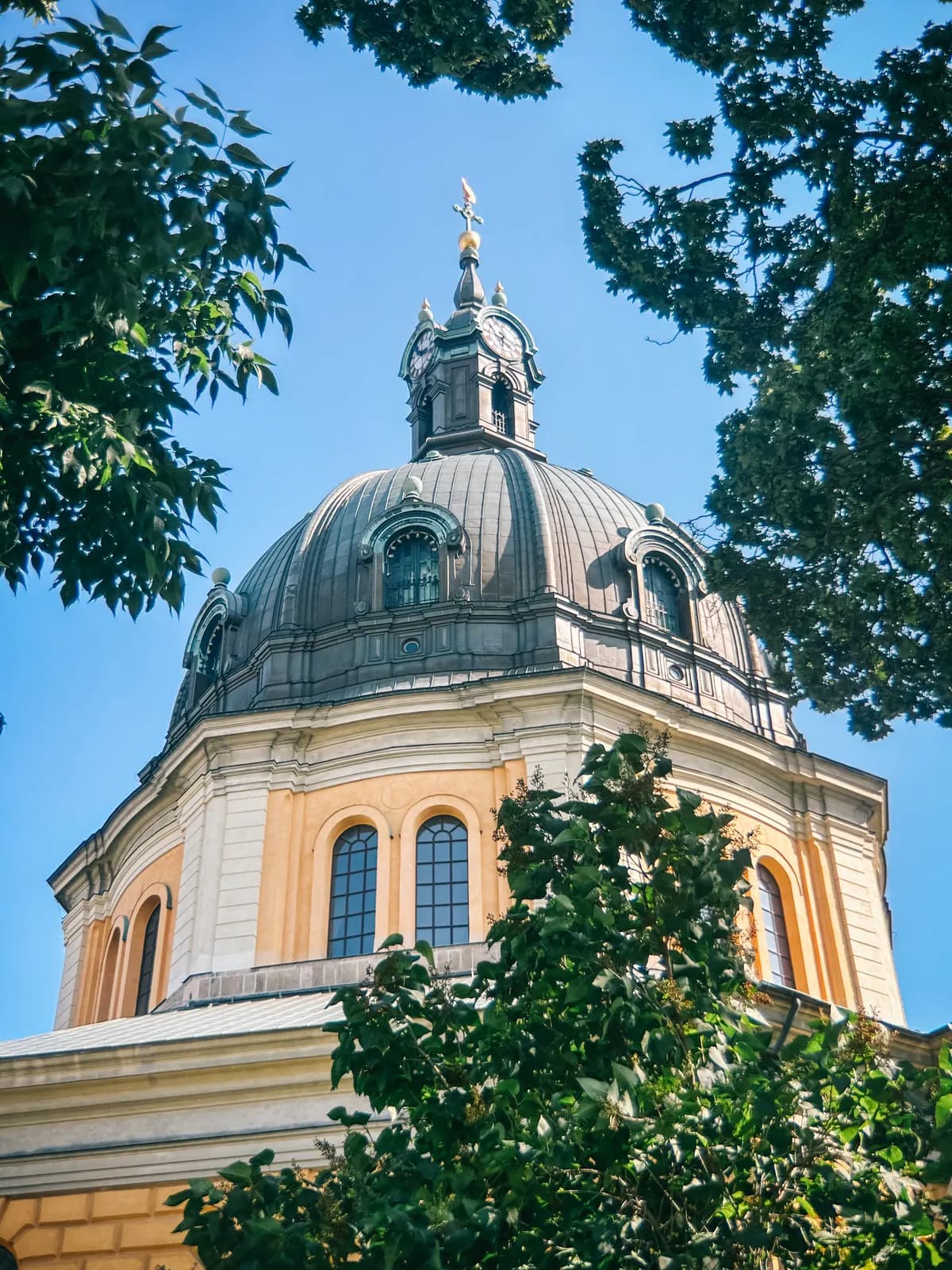
I spent six days in Stockholm this summer with family and friends. No laptop. First time in years I've traveled without one. I usually bring it everywhere, because there's always some project running that I want to touch.
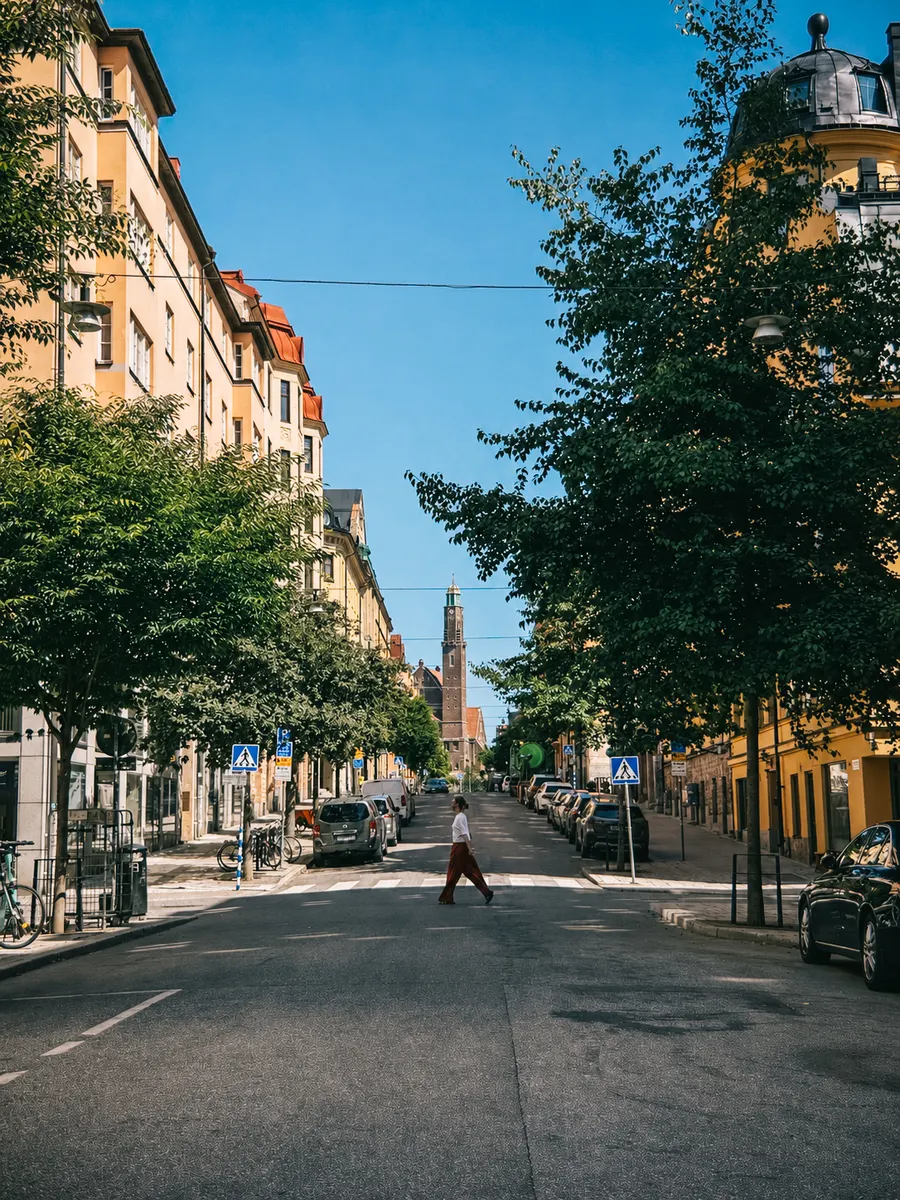
I still woke up before everyone else. Old habit. But instead of opening a laptop, I went for a walk. Every morning, same thing. No output. No project. Just walking and looking at a city waking up.
It didn't feel unproductive. It felt like the opposite of the thing I usually do.
A Skill We Stopped Teaching
There's a video by Sam Hamper called "A Skill We Stopped Teaching" about sketching. Not as an art form, but as a discipline of looking. The people who sketch buildings and trees aren't trying to produce a drawing. They're forcing themselves to look long enough to actually see the thing. The proportions, the way light falls, the details that vanish the moment you glance and move on.
Most of us don't look that long at anything anymore. We glance, categorize, move on. A building is "a building." A design is "done." We recognize things fast enough that we stop seeing them.
Sketching isn't the point. Looking long enough to see is the point. The sketch is just what forces the looking to happen.
Why This Matters More Now, Not Less
Here's where this connects to work. I've written before about how AI collapsed the cost of experimentation across product, design, and engineering. A prototype that took days now takes an afternoon. A design that took a week of iteration can be generated in minutes.
That's a real gain. But it creates a gap most teams haven't noticed yet: generation got fast, and observation didn't.
If a designer generates ten variations in the time it used to take to sketch one, the bottleneck isn't "can we produce this" anymore. It's "did anyone actually look at what we produced long enough to know if it's good." You can ship something you've never really seen. That should worry us more than it does.
If you can't slow down enough to look at what you made, how would you know if you're proud of it?
I think that question is the whole argument. Pride in your work requires having actually looked at it. AI doesn't remove that requirement. It just makes it easier to skip.
The Opposite of Rushing Isn't Slowing Down
There's a video that reframes this well: "The Opposite of Rushing Isn't Slowing Down" by The Art of Flow. The point isn't to move slower. It's to work from a calm mind instead of a rushed one. A calm mind, it turns out, is often more productive, not despite feeling unhurried, but because of it. Rushing produces motion. Calm produces judgment.
That distinction matters for the looking problem too. You don't need to slow down your tools. You need a calm enough mind to actually notice what they produced.
Micro-Adventures, Not Just the Big Vacation
The third thread is a video by Archifemme, "Life felt off... so i tried this", about micro-adventures: building small moments of exploration into ordinary days instead of outsourcing all your wonder to one big annual trip. The idea being: if your regular life is just something to survive until the next vacation, the vacation isn't fixing the actual problem.
That's what those Stockholm mornings were, without my laptop to retreat into. Not a vacation activity. A micro-adventure that happened because the default option, open the laptop and do something, wasn't available.
Small things I'm testing:
- Leave the laptop behind on short trips, on purpose, not by accident
- Before calling a design "done," spend real time just looking at it. Not checking it. Looking at it
- Build one small unplanned walk or detour into an ordinary day, not just the vacation
The Actual Point
None of this is anti-productivity. The calm-mind video makes that explicit, and I believe it: slowing down your attention is not the same as slowing down your output. If anything, it's what makes the output worth having.
AI is going to keep making generation faster. That's not a reason to slow down using it. It's a reason to protect the one thing it can't do for you: actually looking at what you've built, long enough to know whether you're proud of it.
I don't have this fully figured out yet. I still bring my laptop most places. But here's what I noticed in Stockholm. What I remember most clearly isn't the walks. It's my two daughters running along the harbor, picking out pastries, the ordinary hours of a family trip. The quiet mornings didn't compete with that. I think they're why I actually remember the rest so clearly, instead of it blurring into one more trip I was half-present for.
- When did you last look at something you made without immediately moving to the next thing?
- Is your fast tool a time saver, or a way to avoid looking closely at the result?
- What's your version of a micro-adventure? Something small enough to fit into a normal Tuesday.

Aleksi
Product Owner at Silverbucket, building at the intersection of AI, product craft, and team culture. Based in Tampere, Finland.